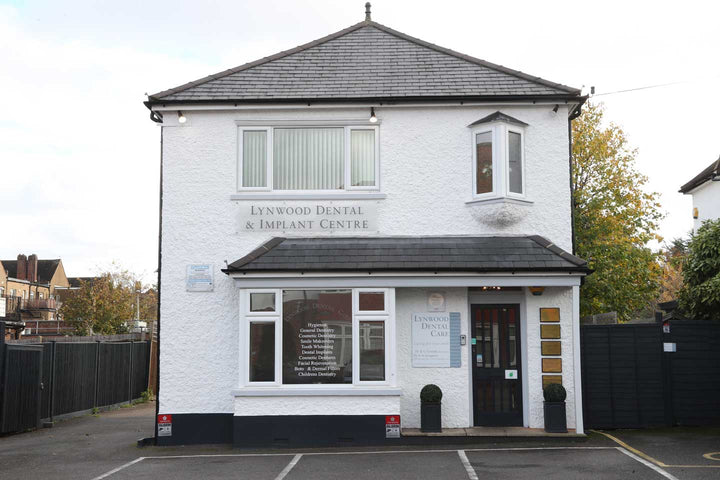
Dentists in Kingston offer cosmetic dentistry, implant dentistry, general dentistry & dental treatments. Dentists practice in Kingston
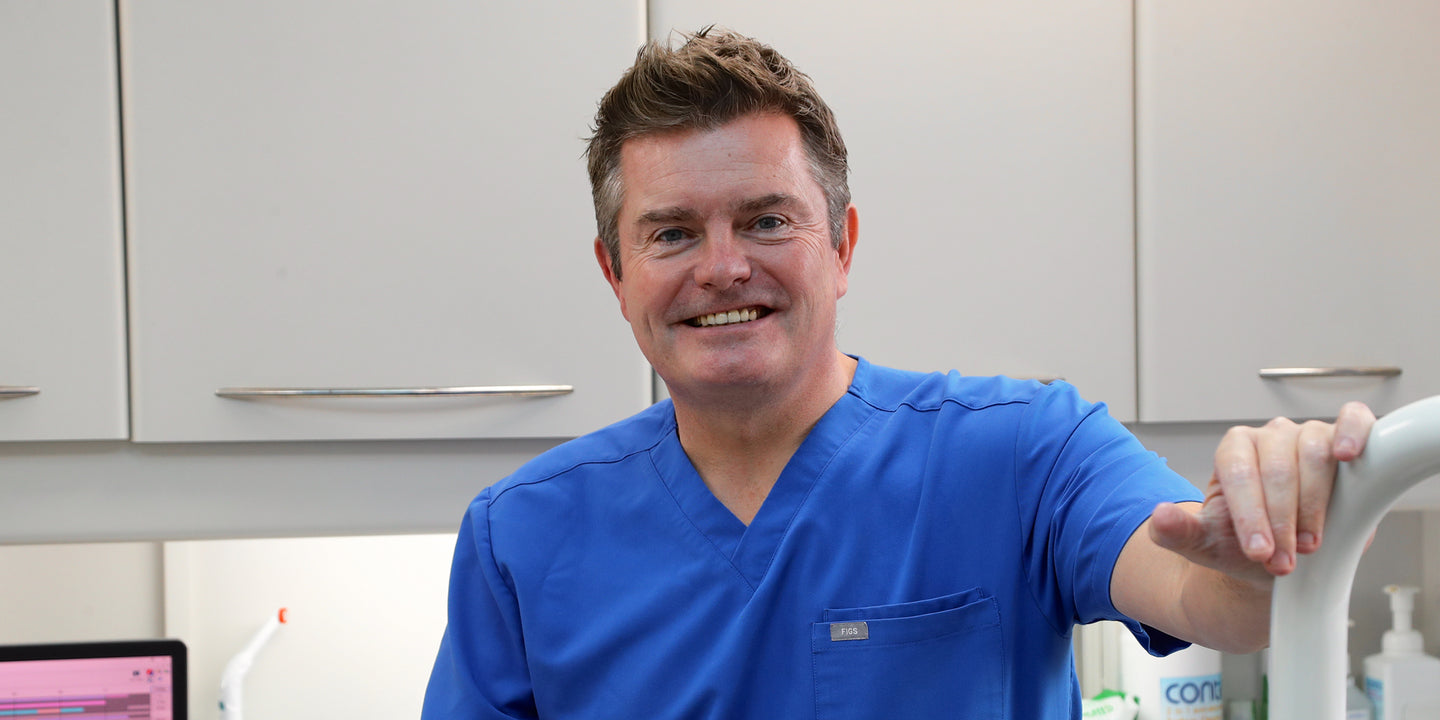
Dentists in Worcester Park, near Kingston, at Lynwood Dental Practice, our Kingston dentists offer private dental treatment and cosmetic dentistry. Dr Barry Grundy, Dr Scott Simpson and our Kingston dentists provide smile makeovers to improve your confidence, making you look and feel younger with cleaner teeth, whiter teeth and healthier teeth. If you have a dental emergency in Kingston, contact us immediately so we can arrange a dental appointment as soon as possible.
Dental Care in Worcester Park
Lynwood Dental Care has been established for over 60 years. It was established before World War 2 by Mr Crispfield Grant, an RAF dentist, before being handed over to Mr Harry De Groot who retired from the practice in 2000. Over the years, there have been relatively few changes of personnel and now is owed and run in the capable hands of Barry Grundy and Scott Simpson, who have 40 years of post graduate experience between them. Kingston dentists
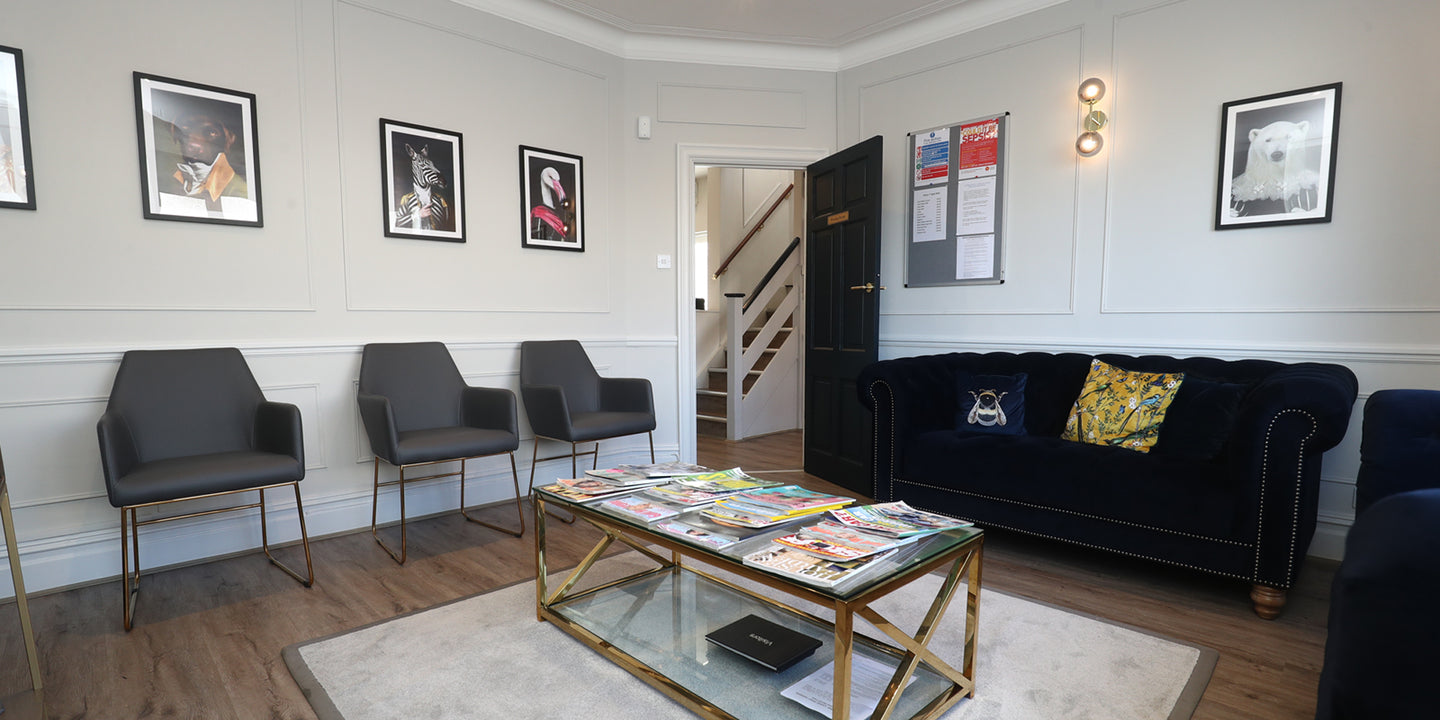
The practice has an enviable reputation, especially in Kingston areas, which the present incumbents relish and strive to build upon. They pride themselves on establishing long lasting relationships with patients and their families and aim to cater for their every need. At Lynwood Dental Care the whole ethos is to provide high quality evidence based dentistry and they endeavour to perform this in a relaxed, friendly yet professional environment.
Kingston dentist: Dr Barry Grundy & Dr Scott Simpson
DR BARRY GRUNDY
Barry studied at Trinity College Dublin and Dublin Dental Hospital, and qualified with honours in 1980. After a postgraduate course at the Royal College of Surgeons of England, he decided to pursue a career in general dental practice.
He has been at Lynwood since 1982. His enthusiasm for dentistry is contagious- during his time here he has attended numerous postgraduate courses both in the UK and abroad. He is also a member of the UK’s most respected and regarded dental study group.
His dental interests are wide although he particularly enjoys the challenges of the restorative and preventive fields. His knowledge, skill and dedication is reflected in the loyalty of many of his patients, many of whom he has attended for over 25 years. He has been placing implant based restorations for over 15 years and has some considerable experience in this field.
Barry is a member of ADI (Association Dental Implants), BDA (British Dental Association) and is a fellow of the Royal Society of Medicine.
Barry is married and has two sons at university. In his spare time he enjoys sports particularly golf and is a past captain of his golf club.
DR SCOTT SIMPSON
Scott studied dentistry at Guy’s hospital Dental School in London and qualified in July 1996. The next two years, he spent advancing his surgical skills in the oral and maxillofacial departments at Guy’s hospital London and St Richards Hospital Chichester.
He also spent time working in the department of concious sedation and special care dentistry at Guy's hospital. After deciding to pursue his career in general dental practice he underwent a period of vocational training where he won the Paul Temple-Smithson Prize for the best clinical case presentation in the South East. Scott has been practicing at Lynwood Dental Care since 2002 and was made a partner in 2006.
He enjoys all aspects of restorative and surgical dentistry and it is plain to see he truly loves his work. Scott's dedication to providing cutting edge dentistry is underpinned by his continuing development. He is competent in using the CAD-CAM dental technology and has placed many CEREC all porcelain restorations. Scott placed his first implant supported restoration 12 years ago and he has since gained vast experience and knowledge in this field. He is also looking to build on his surgical expertise and is currently studying for the Diploma in Implant Dentistry at the Eastman Dental Hospital, part of UCL.
Scott is a member of ADI (Association Dental Implants), BDA (British Dental Association), SAAD (Society for Advance Anaesthetic in Dentistry) and ESCD (European Society of Cosmetic Dentistry)
Scott is married to Siobhan, a hygienist who also works at the practice from time to time. They have two young daughters Madeleine and Felicity. He enjoys rugby, the occasional round of golf and has a passion for fine food and wine.
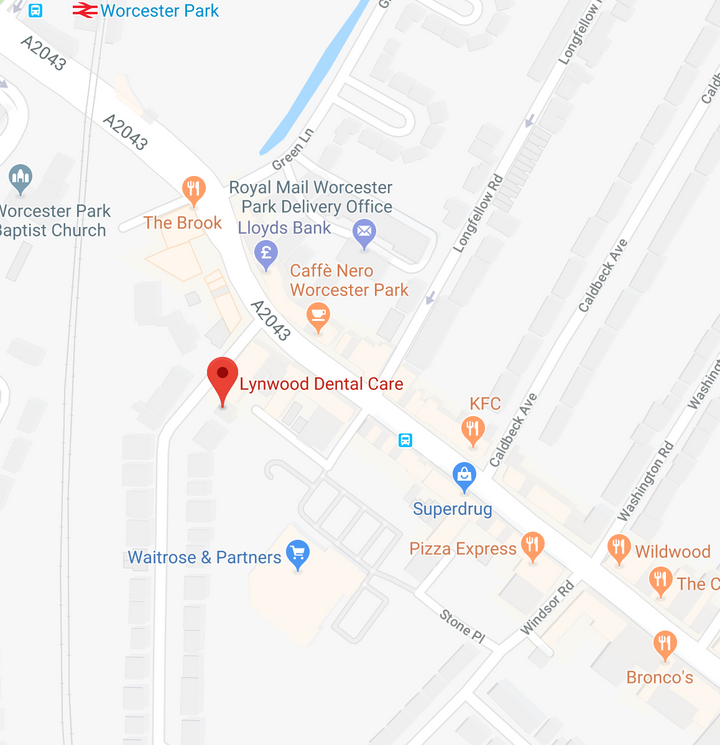
Lynwood Dental Care is at 1 Lynwood Drive, Worcester Park, near Kingston. Call us on 020 8337 1140 to make an appointment or use our online email form below to contact us.
Smile Makeover from a Kingston dentist
Dr Scott Simpson & Dr Barry Grundy can develop a bespoke treatment programme that uses techniques at the forefront of dental technology to straighten, lighten, reshape or repair your teeth and dramatically improve your appearance. Before we proceed with any cosmetic dentistry, Dr Scott Simpson & Dr Barry Grundy checks your gums are healthy and whether you grind or clench your teeth which may cause new teeth to break, chip or wear prematurely. They also review your tooth-lip relationship to ensure he creates the most natural smile possible.
Cosmetic Dentistry from a Worcester, Kingston dental team
Teeth Whitening
Brighten your teeth by several shades with our 1 hour In-Office power whitening and home whitening maintenance kits.
Porcelain Veneers
Improve your smile by lengthening and reshaping teeth and closing gaps between teeth. Ask about a complete smile makeover!
White Fillings
Remove unsightly silver metal fillings and replace them with tooth coloured fillings for a whiter smile.
Dental Implants by a Worcester Park, Kingston dentist
Dental implants offer a permanent solution for your missing teeth. A dental implant is essentially a substitute for a natural root and commonly it is screw or cylinder shaped. Each implant is placed into a socket carefully drilled at the precise location of the intended tooth. Often the implant can be placed at the same time as removal of the tooth all on the same day.
Dental Bridges & Dental Crowns by a Kingston dentist
A crown is an artificial restoration that fits over the remaining part of a prepared tooth, making it strong and giving it the shape of a natural tooth. A bridge is usually used where there are fewer teeth to replace, or when the missing teeth are only on one side of the mouth. Bridges are usually made of a precious metal base.
Relevant Links (Worcester Park):
About Worcester Park
information about Worcester Park
Cheam & Worcester Park
Dentistry in Worcester Park
Relevant Links (Surrey):
Univeristy of Surrey
Surrey Council
Discover Surrey
Investing in the practice
Lynwood Dental Care has been established for over 60 years. It was established before World War 2 by Mr Crispfield Grant, an RAF dentist, before being handed over to Mr Harry De Groot who retired from the practice in 2000. Over the years, there have been relatively few changes of personnel and now is owed and run in the capable hands of Barry Grundy and Scott Simpson, who have 40 years of post graduate experience between them.
The practice has an enviable reputation which the present incumbents relish and strive to build upon. They pride themselves on establishing long lasting relationships with patients and their families and aim to cater for their every need. At Lynwood Dental Care the whole ethos is to provide high quality evidence based dentistry and they endeavour to perform this in a relaxed, friendly yet professional environment.
Dr Barry Gerard Grundy
GDC No. 54829
Barry studied at Trinity College Dublin and Dublin Dental Hospital, and qualified with honours in 1980. After a postgraduate course at the Royal College of Surgeons of England, he decided to pursue a career in general dental practice.
He has been at Lynwood since 1982. His enthusiasm for dentistry is contagious- during his time here he has attended numerous postgraduate courses both in the UK and abroad. He is also a member of the UK’s most respected and regarded dental study group.
His dental interests are wide although he particularly enjoys the challenges of the restorative and preventive fields. His knowledge, skill and dedication is reflected in the loyalty of many of his patients, many of whom he has attended for over 25 years. He has been placing implant based restorations for over 15 years and has some considerable experience in this field.
Barry is a member of ADI (Association Dental Implants), BDA (British Dental Association) and is a fellow of the Royal Society of Medicine.
Barry is married and has two sons at university. In his spare time he enjoys sports particularly golf and is a past captain of his golf club.
Dr Scott Alexander Simpson BDS (Lond)
GDC No. 72371
Scott studied dentistry at Guy’s hospital Dental School in London and qualified in July 1996. The next two years, he spent advancing his surgical skills in the oral and maxillofacial departments at Guy’s hospital London and St Richards Hospital Chichester.
He also spent time working in the department of concious sedation and special care dentistry at Guy's hospital. After deciding to pursue his career in general dental practice he underwent a period of vocational training where he won the Paul Temple-Smithson Prize for the best clinical case presentation in the South East. Scott has been practicing at Lynwood Dental Care since 2002 and was made a partner in 2006.
He enjoys all aspects of restorative and surgical dentistry and it is plain to see he truly loves his work. Scott's dedication to providing cutting edge dentistry is underpinned by his continuing development. He is competent in using the CAD-CAM dental technology and has placed many CEREC all porcelain restorations. Scott placed his first implant supported restoration 12 years ago and he has since gained vast experience and knowledge in this field. He is also looking to build on his surgical expertise and is currently studying for the Diploma in Implant Dentistry at the Eastman Dental Hospital, part of UCL.
Scott is a member of ADI (Association Dental Implants), BDA (British Dental Association), SAAD (Society for Advance Anaesthetic in Dentistry) and ESCD (European Society of Cosmetic Dentistry)
Scott is married to Siobhan, a hygienist who also works at the practice from time to time. They have two young daughters Madeleine and Felicity. He enjoys rugby, the occasional round of golf and has a passion for fine food and wine.
Dental Team
All our team are registered as Dental Nurses with the General Dental Council.
As a team, they all undertake regular updates and training on the latest techniques, especially recent advances in cross infection control, and the management of dental emergencies and anxiety.
Dental Treatments
At our dental practice, our dentists provide stunning cosmetic dental treatments including teeth whitening (home whitening and 1-hour power whitening), porcelain veneers and white fillings to create the perfect smile makeover.
To restore your smile by replacing missing, decayed or broken teeth, we use crowns, bridges, dentures and dental implants. Using the latest technology in dentistry we are able to offer the highest quality of care with a wide option of treatments.
Our preventive dental treatments include fissure sealants for children, scale and polish, bad breath, gum disease, decay detection and mouth cancer screening services.
We also have expertise and special interests in oral surgery for extractions, root canal therapy for infections and sedation is available for nervous patients.
Cosmetic Dentistry
- Teeth Whitening
Brighten your teeth by several shades with our 1 hour In-Office power whitening and home whitening maintenance kits.
- Porcelain Veneers
Improve your smile by lengthening and reshaping teeth and closing gaps between teeth. Ask about a complete smile makeover!
- White Fillings
Remove unsightly silver metal fillings and replace them with tooth coloured fillings for a whiter smile.
Teeth Whitening
Teeth are stained by the foods and drinks we consume. Smoking further stains teeth and the natural bright, white shade becomes darkened. Teeth whitening is a successful and simple method of lightening the colour of your teeth. The degree of whiteness achieved will vary from patient to patient and with the type of bleaching process chosen.
Office Opalescence Teeth Whitening Your teeth can be lightened immediately using this technique which is conducted in the practice.
How does it work?
With Opalescence, you will have whiter teeth before you leave the dental office. This product is so advanced, it does not require a laser or a light for activation. Through enhanced chemical activation, we can now whiten your teeth without the bothersome heat or harmful ultraviolet rays. The product simply activates itself as it sits on your teeth. It's simple. It's easy. And, in about an hour, you'll have noticeably whiter teeth. Click here for more information on Opalescence.
Home Whitening
A custom made mouth tray is created. A whitening gel is placed in the tray which you then wear whist asleep or for short periods during the day.
Results are normally seen over 2 weeks.
Porcelain Veneers
If your front teeth are stained, chipped, or malaligned, veneers will give you a good life-like appearance with minimum tooth adjustment.
A veneer is a facing on the front of your teeth usually your top teeth, it is just like a false finger nail.
Veneers are made out of porcelain and are used mainly for aesthetic reasons.
Veneers make teeth look natural and healthy, and because they are very thin and are held in place by a special strong bond (rather like super-glue) very little preparation of the tooth is needed.
Porcelain veneers can improve the colour, shape and position of teeth.
A precise shade of porcelain can be chosen to give the right colour to improve a single discoloured or stained tooth or to lighten front teeth (usually the upper ones) generally.
Veneers can also be used to close small gaps, when orthodontics (braces) are not suitable.
If one tooth is slightly out of position, a veneer can sometimes be fitted to bring it into line with the others.
White Fillings
If the decay is not too serious, our cosmetic dentist will remove all the decay and restore the tooth with a white (tooth coloured) filling.
We can safely replace silver amalgam fillings with white tooth coloured fillings.
Dental decay happens when the enamel and dentine of a tooth become softened by acid attack, producing a cavity (hole).
More about decay detection in our Preventive Dentistry section.
Restorative Dentistry
- Broken Teeth
Restore broken and chipped teeth after accidents
- Crowns & Bridges
Replace a few missing teeth with a natural looking caps
- Dentures
Replace many missing teeth with support to your cheeks and lips.
- Cerec Restorations
Single visit restorations for permanent, all ceramic crowns, onlays or veneers.
Broken Teeth
A veneer can make a chipped tooth look intact again. The porcelain covers the whole of the front of the tooth with a thicker section replacing the broken part.
Bonding: sometimes instead of a porcelain veneer, a natural colour ‘composite’ material is used instead of porcelain.
A natural-coloured filling material can be used for minor repairs to front teeth like chipped or broken tooth corners.
Crowns
A crown is an artificial restoration that fits over the remaining part of a prepared tooth, making it strong and giving it the shape of a natural tooth.
A crown is sometimes known as a ‘cap’. Crowns are an ideal restoration for teeth that have been broken, or have been weakened by decay or a very large filling.
A crown could be used for a number of other reasons, for instance:
- you may have discoloured fillings and would like to improve the appearance of the tooth
- you may have had a root filling which will need a crown to protect it
- it may help hold a bridge or denture firmly in place.
Bridges
Besides having dental implants, there are two main ways to replace missing teeth. The first is with a removable false tooth or teeth – a partial denture. The second is with a fixed bridge.
A bridge is usually used where there are fewer teeth to replace, or when the missing teeth are only on one side of the mouth. Bridges are usually made of a precious metal base.
If the bridge will show, porcelain is then bonded to the base. Sometimes, there are other non-precious metals used in the base to reduce the cost.
You should replace missing teeth for a number of reasons. Your appearance is one reason. Another is that the gap left by a missing tooth can mean greater strain is put on the teeth at either side.
A gap can also mean your ‘bite’ is affected, because the teeth next to the space can lean into the gap and alter the way the upper and lower teeth bite together. This can then lead to food getting packed into the gap, which causes both decay and gum disease.
Dentures
Replacing lost or missing teeth has substantial benefits for your health and appearance.
A complete or full denture replaces the natural teeth and provides support for cheeks and lips.
Without this support, sagging facial muscles can make a person appear older and reduce their ability to eat and speak.
A denture is an appliance which is worn to replace lost or missing teeth to enable you to enjoy a healthy diet and smile with confidence. A complete or full denture is one that replaces all of the natural teeth in either the upper or lower jaws. A partial denture fills in the spaces created by lost or missing teeth and is attached to your natural teeth with metal clasps or devices called precision attachments.
The base of a denture is called a plate and can be made of either acrylic (plastic) or metal. The teeth are normally made of acrylic and can be made to match your natural teeth. This is especially important in the case of partial dentures.
Dental Implants
Our dentists use CEREC technologyso you can be in and out in a single visit with a permanent, all ceramic crown, onlay, or veneer! For you, the dental patient, this means fewer injections, less drilling, and less time out of your hectic schedule for dental care.
Single Appointment Dental Care
Most dental restorative methods require more than one visit to the dentist.
This means that on the first visit, you get an injection of anesthesia, your tooth prepared, an impression taken, and a temporary restoration put on your tooth. You make a second appointment for a couple of weeks later, get another injection, have the temporary pried off (if it hasn't fallen off already), and have a permanent restoration put on.
Why go to the dentist a second time when you don't have to? With CEREC, the procedure is done in a single appointment, start to finish.
Finest Dental Materials
A CEREC tooth restoration isn't just convenient, it is also healthy. Many years ago, dentists had few options to repair decayed and damaged teeth other than amalgam, gold, and other metals. With CEREC, our dentists can use strong, tooth colored ceramic materials to restore your teeth to their natural strength, beauty, and function.
These materials closely match the composition of natural tooth structure. This means when you eat hot food and then drink something cold, the restoration and tooth expand and contract at almost equal rates. So, your tooth does not crack, and you can go on enjoying your evening. Also, the materials are chemically bonded to your tooth, so your dentist can save as much healthy tooth tissue as possible while providing you with a dental restoration that strengthens your tooth.
Smile Enhancement
Your dentist can use CEREC for more than just crowns and fillings. CEREC is capable of producing any single tooth restoration. Chipped or discolored front teeth can be repaired with beautiful CEREC porcelain anterior crowns or veneers. Your smile makes a lasting first impression. Enhance it with CEREC.
Worldwide, a CEREC restoration is placed every 20 seconds. With a history of nearly 20 years, this equipment has helped dentists place over 6 million restorations. Using metal free materials that are the closest to your natural enamel, CEREC gives you the highest quality restorative care. Ask our dentists today about single visit CEREC restorative care!
Dental Implants
More and more patients are realising the advantages of having their missing teeth replaced by implants, which are strong, permanent and look and feel extremely natural.
We are delighted to report that both Barry and Scott have been advancing their skills in this area. Last year they travelled to South Africa where they completed an intensive training course.
In addition to this Barry is returning to South Africa to build upon his knowledge and Scott has commenced a four year long post graduate course at The Eastman Dental Hospital, part of University College London
Dental Implant treatment can be provided with sedation for nervous patients.
Dental implants offer a permanent solution for your missing teeth.A dental implant is essentially a substitute for a natural root and commonly it is screw or cylinder shaped.
Each implant is placed into a socket carefully drilled at the precise location of the intended tooth. Often the implant can be placed at the same time as removal of the tooth all on the same day.
If an implant has a screw-thread on its outer surface it can be screwed into position and if it does not, it is usually tapped into place. The main aim during installation of any implant is to achieve immediate close contact with the surrounding bone. This creates an initial stability, which over time is steadily enhanced by further growth of bone into microscopic roughnesses on the implant surface.
In order to support replacement teeth, dental implants normally have some form of internal screw thread or post space that allows a variety of components to be fitted. Once fitted, these components provide the foundation for long-term support of crowns, bridges or dentures. Click here for illustrated information.
Preventive Dentistry
Our Kingston dentists offer following preventive dentistry treatments.
- Children
Fluoride applications and fissure sealants for protection against decay
- Dental Hygiene
Scale & polishing teeth and teaching you how to keep them clean
- Bad Breath
Improve your social life with fresh breath
- Gum Disease
Treatment of swelling, soreness or infection of the gum tissues
- Decay Detection
Detect early decay and prevent unnecessary discomfort
- Mouth Cancer Screening
Smoking, drinking and unhealthy diets increases risks of mouth cancer. Early detection increases chances of survival.
Children
We aim to prevent dental disease rather than treat it at a later date.
Fluoride applications and fissure sealants (tooth coloured sealants) are applied to biting surfaces of children's teeth to prevent decay.
Dental Hygiene
Dental hygiene treatment includes professionally cleaning the teeth for the patient. This is usually called scaling and polishing. However, perhaps our most important role is showing the patient the best way to keep the teeth free of plaque.
The dentist also plays an important role in treating gum disease.
Bad Breath
Bad breath is a very common problem and there are many different causes. Persistent bad breath is usually caused by the smelly gases released by the bacteria that coat your teeth and gums.
However, strong foods like garlic and onions can add to the problem. Smoking is also one of the main causes of bad breath, along with certain illnesses such as nasal and stomach conditions.
Bits of food that get caught between the teeth and on the tongue will rot and can sometimes cause an unpleasant smell. So correct and regular brushing is very important to keep your breath smelling fresh.
The bacteria on our teeth and gums (plaque) also cause gum disease and dental decay. If you see your dentist regularly this will not only help prevent bad breath but will also let the dentist look for and treat these problems.
Gum Disease
Screening for gum disease forms an integral part of your routine examination. Gum disease describes swelling, soreness or infection of the tissues supporting the teeth. There are two main forms of gum disease: gingivitis and periodontal disease.
What is gum disease?
Gum disease describes swelling, soreness or infection of the tissues supporting the teeth. There are two main forms of gum disease: gingivitis and periodontal disease.
What is gingivitis?
Gingivitis means inflammation of the gums. This is when the gums around the teeth become very red and swollen. Often the swollen gums bleed when they are brushed during cleaning.
What is periodontal disease?
Long-standing gingivitis can turn into periodontal disease. There are a number of types of periodontal disease and they all affect the tissues supporting the teeth. As the disease gets worse the bone anchoring the teeth in the jaw is lost, making the teeth loose. If this is not treated, the teeth may eventually fall out.
What is the cause of gum disease?
All gum disease is caused by plaque. Plaque is a film of bacteria which forms on the surface of the teeth and gums every day. Many of the bacteria in plaque are completely harmless, but there are some that have been shown to be the main cause of gum disease. To prevent and treat gum disease, you need to make sure you remove all the plaque from your teeth every day. This is done by brushing and flossing.
What happens if gum disease is not treated?
Unfortunately, gum disease progresses painlessly on the whole so that you do notice the damage it is doing. However, the bacteria are sometimes more active and this makes your gums sore. This can lead to gum abscesses, and pus may ooze from around the teeth. Over a number of years, the bone supporting the teeth can be lost. If the disease is left untreated for a long time, treatment can become more difficult.
How do I know if I have gum disease?
The first sign is blood on the toothbrush or in the rinsing water when you clean your teeth. Your gums may also bleed when you are eating, leaving a bad taste in your mouth. Your breath may also become unpleasant.
Dental Decay
Decay may or may not cause discomfort; even though it doesn’t hurt, the tooth is deteriorating.
Using higher magnification and powerful lighting, it is easier to detect decay at an early stage to prevent excessive tooth damage. When cavities are small, they are much easier and less expensive to treat.
Early tooth decay does not tend to show many physical signs. Sometimes the tooth looks healthy, but your dentist will be able to see from an x-ray whether you have any decay under the enamel, any possible infections in the roots, or any bone loss around the tooth.
Mouth Cancer
Mouth cancer is a malignant growth which can occur in any part of the mouth, including the tongue, lips and throat. Mouth cancers have a higher proportion of deaths per number of cases than breast cancer, cervical cancer or skin melanoma. The mortality rate is just over 50%, despite treatment, with about 1,700 deaths per year in the UK. This is because of late detection. Visit your dentist at once if you notice any abnormal problems or are not sure. Regular dental checkups allow early detection of abnormalities in the mouth.
General Dentistry
- Oral Surgery
Minor extractions for teeth in pain or widsom teeth
- Root Canal Treatment
Treatment for infected blood or nerve supply of teeth
- Sedation for the Nervous
Relaxation for anxious and dental phobic patients
Oral Surgery (Extractions)
Oral surgery can be provided with sedation for nervous patients.
Wisdom Teeth
Sometimes there may not be room in your mouth for your wisdom teeth and, as they start to come through, they push against the teeth already there or may start to come through at an angle. When this happens, you might feel some pain or discomfort, so the best thing to do is to visit your dentist.
The dentist will probably take an x-ray of your mouth to see how - or if - your wisdom teeth are coming through. From this, they will be able to make a judgement on whether or not to take them out, and how easy or difficult it might be. Extractions can also be done under sedation.
Extractions
Having a tooth out is the same as having an operation and, because of this, you must look after the area to speed healing and to reduce the risk of infection. Here are some pointers:
- For the first 24 hours, try to avoid eating hot food, don't smoke, don't drink any alcohol and try not to disturb any blood clot which might have formed.
- Don't rinse your mouth for six hours after extraction. After that, rinse gently with warm salty water - half a teaspoon of salt in a glass of water is enough.
- Brush your teeth as normal to keep your mouth as clean as possible.
- You may feel some small pieces of bone work their way out of the socket - don't worry, this is perfectly normal.
- There may be some swelling and a bit of discomfort in the first two to three days. If you need to, take some ordinary painkillers - aspirin, ibuprofen or paracetomol will be fine.
- If you feel pain immediately after the tooth has been removed, it might be where the blood clot has broken down leaving an empty hole in the gum. This is called a 'dry socket' and will need to be looked at by your dentist. Simply go back and the dentist will pack the wound to ease your discomfort.
Your dentist may have given you some gauze to place onto the area where the tooth has been removed - if not, a clean cloth handkerchief will do just as well (but not a paper tissue).
- Roll it into a small firm pad large enough to fit over the gap (probably around 1cm by 3cm).
- Sit up and gently clear away any blood clots around the gap using the gauze or hanky.
- Put a clean pad over the gap (from tongue side to cheek side) and bite down on it firmly for 10 to 15 minutes.
- Take the pad off and check whether the bleeding has stopped. If not, apply a fresh pad and contact your dentist.
Root Canal Therapy
What is root canal treatment?
Root canal treatment (also called endodontics) is needed when the blood or nerve supply of the tooth (known as the pulp) is infected through decay or injury.
Why is root canal treatment needed?
If the pulp becomes infected, the infection may spread through the root canal system of the tooth.
This may eventually lead to an abscess. If root canal treatment (RCT) is not carried out, the infection will spread and the tooth may need to be taken out.
Does it hurt?
No. A local anaesthetic is used and it should feel no different to having an ordinary filling done.
What does it involve?
The aim of the treatment is to remove all infection from the root canal. The root is then cleaned and filled to prevent any further infection. Root canal treatment is a skilled and time-consuming procedure. Most courses of treatment will involve two or more visits to your dentist.
At the first appointment, the infected pulp is removed. Any abscesses, which may be present, can also be drained at this time. The root canal is then cleaned and shaped ready for the filling. A temporary filling is put in and the tooth is left to settle.
The tooth is checked at a later visit and when all the infection has cleared, the tooth is permanently filled.
What will my tooth look like after treatment?
In the past, a root filled tooth would often darken after treatment. However, with modern techniques this does not usually happen. If there is any discolouration, there are several treatments available to restore the natural appearance.
What if it happens again?
Root canal treatment is usually very successful. However, if the infection comes back the treatment can be repeated.
What if I don’t have the treatment?
The alternative is to have the tooth out. Once the pulp is destroyed, it can’t heal and it is not recommended to leave an infected tooth in the mouth. Although some people would prefer an extraction, it is usually best to keep as many natural teeth as possible.
Will the tooth be safe after treatment?
Yes. However, it is better to restore the tooth with a crown to provide extra support and strength to the tooth.
Where can this treatment be carried out?
Root canal treatment is a routine dental procedure, which your dentist will be happy to do for you.
What about aftercare?
Root-treated teeth should be treated just the same as any other tooth. Remember to clean your teeth at least once a day, preferably with a fluoride toothpaste. Cut down on sugary snacks, and keep them only to mealtimes if possible. See your dentist for regular check-ups.
Sedation
Is there anything that can help me with my fear of the dentist?
Yes. Some people are so frightened of the dentist that they will not go for dental treatment. They can overcome their fears with relaxation or sedation. Our dentists are sympathetic about these feelings, and you can ask our dentists about these ways to help.
What is sedation?
We offer an intravenous or IV sedation. This is given by injection, either in the back of your hand or in your arm. The dose will depend on the amount of treatment needed and the length of time it will take to complete.
How will IV sedation in the surgery affect me?
You become drowsy and unaware of any treatment, but you are still able to co-operate with the dentist. The effects of sedative medicine take some time to wear off and your dentist will tell you how long the drugs will take to clear from your body. You won’t be able to drink alcohol, drive or work machinery during this time.
What else can help?
You can be helped to feel relaxed by ‘relative analgesia’ sometimes known as inhalation sedation. This means breathing in a mixture of nitrous oxide and oxygen (‘laughing gas’) which quickly leads to a pleasant, relaxed feeling. The dentist puts you at ease at the same time, by talking softly and suggesting what you feel. You remain conscious all the time, although you may be a little drowsy, and any treatment given causes you no discomfort. You breathe in the mixture through a nosepiece, which is very comfortable. You can’t overdose on the gas, as the mixture quickly leaves the body if you breathe in one or two breaths of ordinary air. There are no after-effects either, and you can drive a car after about 15 minutes. Many dentists use this safe and effective technique.
How does relaxation work?
When we are faced with a challenge or something we’re afraid of, such as a visit to the dentist, our bodies produce substances, which raise our anxiety. However, we can train our bodies to work against this anxiety, by learning to relax. It’s not possible to be anxious and relaxed at the same time, so learning relaxation helps control our anxiety.
Testimonials Thank you so very much for the excellent result of your treatment of what, in my opinion, was a very complex problem. I am thrilled with the result and the total redundancy of the need of a dental plate.
I must say, I never expect to find such advanced treatment outside W1. I consider myself very fortunate to have been given your name by Monica; it’s so good not to have to keep trailing up to the West End, that is now a thing of the past for me.
I shall, of course, continue as a patient, but such was the complexity of the problem/s with which I first presented and which you have now, most wonderfully resolved, I felt I just had on this occasion, to record my appreciation.
M P
As a ‘dental phobic’ I cannot recommend Dr Scott Simpson and Lynwood Dental Care highly enough. They really do take good care of you both dentally and psychologically. Everything is done at your own pace, and with full explanations. They only do the work you need and want. Fantastic care; fantastic professionalism. Thoroughly recommended.
N S
When I first went to the Lynwood Dental Practice I had swollen gums which were, bright red, painful and bled every time I tried to clean my teeth. It seemed only a matter of time before my teeth ell out but now, 30 years later, I have healthy gums which never bleed and I still retain my teeth. This transformation is entirely due to the continual, dedicated dental and hygienist care I have received from the Lynwood Dental Practice and I will always be grateful to them for that.
My wife’s experience is just as striking. When she first went to the Lynwood Dental Practice she hated going to the dentist and had to have a general anesthetic before anything could be done to her teeth. Now she does not dread visits to the dentist and never needs to be anaesthetised.
G W
I feel I must write and thank you for the excellent treatment you gave me. My "4 Crowns" look superb and are very comfortable. I must also mention the courtesy and help I received from your staff all of which I greatly appreciate.
A G N
I would like to thank you for all the extra effort and kindness you and your receptionist/ assistant (I'm sorry I didn't get her name) showed me in ensuring that my tooth was fully repaired last Wednesday as an emergency.
The use of your new Cerec procedure has worked brilliantly, my tooth is now settled down and pain free. It was also fascinating to be able to see the new implant being designed & carved before my eyes.
When I had the pre cardiac operation dental examination last Friday, I was given the go ahead to have the operation tomorrow. So I can now have my heart valve operation without having to worry about having a temporary crown coming loose and acting as a source of infection to my heart valve.
Thank you again
D M
Dear Mr Schaeffer
I am pleased to confirm that I wish to go ahead with the tooth implant according to the treatment plan dated 20th July and in accordance with the cost estimate dated 22nd July 2004. I will arrange the first appointment accordingly.
I very much appreciate your direct style both when discussing the options and when confirming them in writing and look forward to a successful outcome.
M E A
I have been meaning to write and thank you for your so-gentle and kind care when I had to have a tooth extracted in May. But since then I have been so caught up with having a book published which came out in October that everything has gone out of my mind. Anyway I experienced no trouble at all after the extraction and would like to thank you (belatedly) very much.
M B
To Lynwood Dental Care
After consultation with my dentist, Scott Simpson, I decided to embark on a long course of treatment to improve my chewing ability.
Thereafter followed a meeting with Bill Schaeffor who explained, in depth, what he could do, how it would be done and, as I am a diabetic, the likelihood of success. Shortly after I received a full treatment plan and, with some trepidation, decided to have an implant.
Any worries I had were totally unjustified. Each preparation treatment was carried out with the minimum of pain and discomfort and 8 months later I am almost ready for the final work, then it’s gap away!
Finally, I am wheelchair bound, so that kindness of everyone, at the Practice, to my special needs is really appreciated.
S S
This letter comes to say a big thank you for your treatment since November. Your practice was recommended to me, however I just wanted to say personally my own appreciation. My first delight is your genuine enthusiasm for your work. As an artist I so appreciate this and your fascination with good craftsmanship. My heart was leaping for joy when you saw the delicate, careful work in the tooth to be bridged, and the placing of it with photography.
Thank you. Yes I too now know I am not the only one with a camera and taking close-up of things that delight me! (Mine tend to be rocks and plants) I’ve found that I keep looking to find (in the mirror) which tooth it is! Although this is the ‘treat’ after the rest of the treatment, I must say that what I really appreciate is you giving me back my confidence in dentists. I’ve had friends who were dentists and have had some good professional attitude but some approach was quite the reverse! Your attitude, skill, touch are much appreciated.
Once again, thank you so much and may you and the team have a lovely Easter.
Mary
Appointments
Lynwood Dental CareTel: 020 83371140
1 Lynwood Drive Email: click here
Worcester Park Map: click here
Surrey KT4 7AA
Monday 8:30am - 6:00pm
Tuesday 8:30am - 6:00pm
Wednesday 8:30am - 6:00pm
Thursday 8:30am - 6:00pm
Friday 8:30am - 6:00pm
Saturday & Sunday Closed
Appointment Cancellations
If you are unable to attend your appointment, please give us at least 24 hours notice. Please note that there may be a charge for late cancellations or missed appointments.
New Patients
New patients are welcome.
On your first appointment, we will provide an initial examination to check the current state of health of your teeth, gums and soft tissues (e.g. tongue).
Emergencies
Dental Emergency
Please contact the practice on 020 8337 1140 early in the morning if you have an emergency.
Out of Hours
In case of an emergency outside these hours please contact the practice on 020 8337 1140 where details will be given regarding emergency care.
|